Balancing Screen Time and Homework in the Digital Age
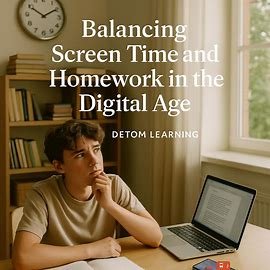
Between online learning platforms, social media, video games, and streaming, screens have become an unavoidable part of student life. While technology can support education, excessive screen time can easily eat into homework hours and disrupt focus.
The challenge for parents and students? Finding the sweet spot between tech use and academic productivity.
1. Understand the Two Sides of Screen Time
· Helpful Screen Time: Educational videos, online research, homework platforms, skill-building apps.
· Harmful Screen Time: Endless scrolling, gaming marathons, passive streaming, late-night phone use.
Recognising the difference helps parents set purpose-based boundaries.
2. Set Clear Homework-First Rules
· Establish a non-negotiable rule: homework gets done before leisure screen time.
· Use visible timers so students know exactly how long they’ve been working or relaxing.
3. Use the “Tech as a Tool” Mindset
Encourage students to use devices for:
· Looking up information quickly.
· Using productivity tools like Google Docs, Quizlet, or Notion.
· Watching short, relevant educational videos.
4. Create a Distraction-Free Study Zone
· Keep phones on “Do Not Disturb” during homework.
· Use apps like Forest or Freedom to block distracting websites during study sessions.
· If possible, have students work in a communal space so screen use is more accountable.
5. Apply the 20-20-20 Rule
To protect eyes from strain:
Every 20 minutes, look at something 20 feet away for 20 seconds.
6. Limit Late-Night Screens
Blue light can disrupt sleep, which in turn affects academic performance.
· Set a “digital sunset” at least 1 hour before bed.
· Switch to printed books or offline study in the evenings.
7. Make Screen-Free Time Enjoyable
Replace passive screen use with:
· Sports or outdoor activities.
· Hobbies like drawing, cooking, or music.
· Board games or family time.
8. Model Good Habits
Kids notice if parents spend hours glued to their own devices. Showing a balanced screen using yourself it’s one of the most powerful motivators.
Conclusion
In the digital age, banning screens isn’t realistic but balancing them is. By setting clear boundaries, using tech intentionally, and encouraging offline activities, students can stay productive without feeling deprived.
We help students develop personalised study-tech balance plans that boost focus and grades. Book a free consultation.
Comments