Gamified Learning: Can Video Games Really Help Kids Study?
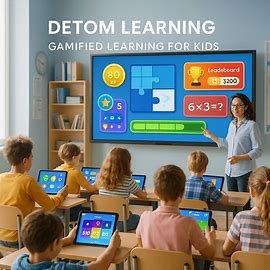
When most parents hear “video games,” they think of endless hours on Fortnite or Minecraft, not improved grades or better study habits. But what if games could actually help children learn faster, stay engaged longer, and remember more?
Welcome to the world of gamified learning where educational content is delivered through game-like experiences.
What is Gamified Learning?
Gamified learning uses elements from video games points, badges, leaderboards, levels, and challenges to make studying more engaging. It can be applied to:
· Digital apps and platforms.
· Classroom activities.
· Even homework assignments.
Why Video Games Can Support Learning
1. Motivation Through Rewards
Games provide instant feedback and small wins, which encourage continued effort.
2. Active Participation
Instead of passively reading, learners interact with content, making it more memorable.
3. Safe Failure
In games, failure is part of learning. Students are encouraged to try again without fear of embarrassment.
4. Personalized Pacing
Many gamified tools adapt difficulty based on a student’s skill level.
Examples of Gamified Learning in Action
· Prodigy Math – An RPG-style game where kids solve math problems to progress through the story.
· Kahoot! – A competitive quiz platform used in classrooms worldwide.
· Duolingo – Gamifies language learning with streaks, levels, and achievements.
· Minecraft Education Edition – Lets students explore history, science, and coding within the game world.
What the Research Says
Studies from institutions like the University of Wisconsin and MIT have shown that gamified learning:
· Increases time-on-task.
· Improves knowledge retention.
· Boosts collaboration and problem-solving skills.
However, effectiveness depends on how games are used; they work best as a supplement, not a replacement, for traditional learning.
Tips for Parents and Teachers
1. Choose Purpose-Built Educational Games Not all games teach effectively.
2. Set Clear Learning Goals Know what you want the student to achieve.
3. Limit Screen Time Quality over quantity.
4. Encourage Reflection Discuss what was learned after gameplay.
Potential Drawbacks
· Distraction Risk – Some kids may focus more on winning than learning.
· Over-Reliance – May reduce willingness to engage with non-game learning.
· Accessibility – Requires devices and internet access.
Conclusion
Gamified learning isn’t a magic solution, but when used thoughtfully, it can turn reluctant learners into motivated participants. The key is to balance blending engaging gameplay with solid educational content.Our tutors integrate gamified tools into lessons to keep students engaged and progressing. Book a free strategy session.
Comments